Sewage Treatment Plants: A Sustainable Approach to Wastewater Management
Introduction
Wastewater generated from homes, apartments, commercial buildings and institutions needs to be managed effectively before it is discharged or considered for reuse. A Sewage Treatment Plant (STP) provides a systematic approach to treating domestic sewage and reducing its environmental impact.
What Is a Sewage Treatment Plant?
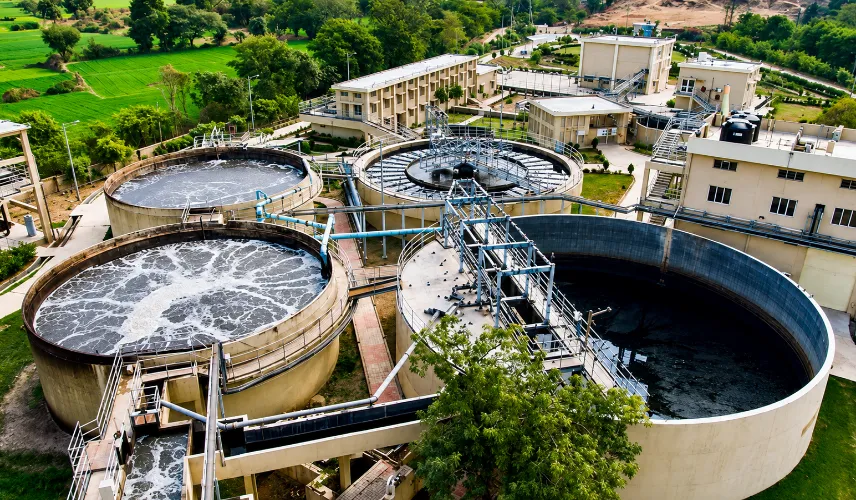
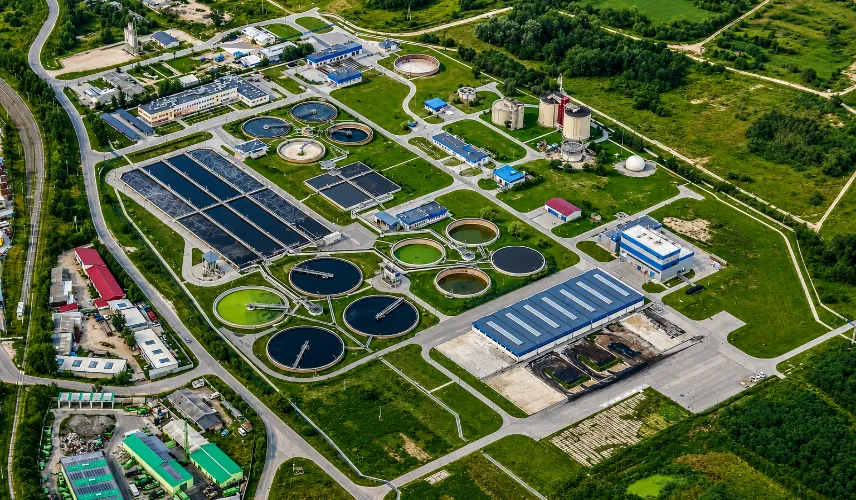
A Sewage Treatment Plant is a wastewater treatment system designed to process sewage through different treatment stages. These stages help reduce suspended solids, organic matter and other pollutants present in domestic wastewater.
Why Is STP Important?
Untreated sewage can contaminate water sources, affect surrounding environments and create unhygienic conditions. An appropriately designed STP helps manage wastewater responsibly while supporting cleaner surroundings and better water resource management.
How Does an STP Work?
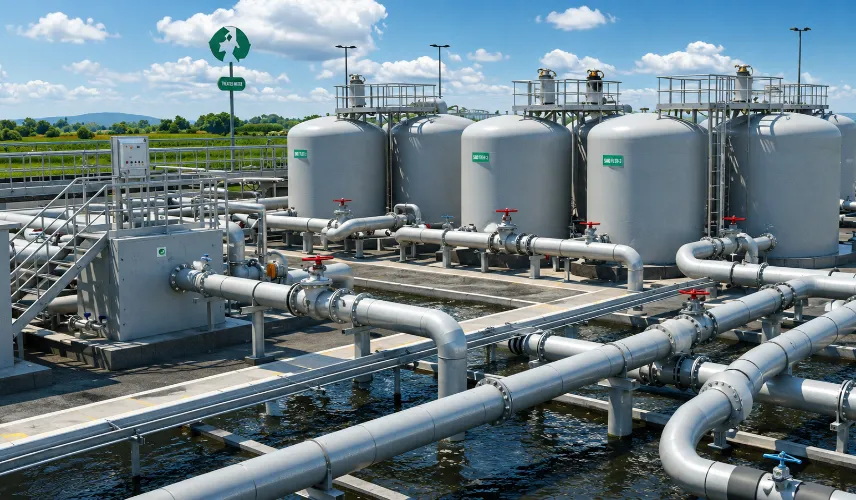
Depending on the application, sewage treatment generally involves preliminary treatment followed by biological and other suitable treatment processes. Each stage performs a specific function to gradually improve the quality of the treated water.
Choosing the Right STP
STP selection should consider wastewater flow, number of users, site conditions, available space and treatment requirements. Application-based planning helps ensure that the system is suitable for the project's actual needs.
EcoGenn's STP Solutions
EcoGenn provides engineered sewage treatment solutions for residential, commercial and other applications. Our systems are planned according to project requirements, wastewater characteristics and site conditions.
Conclusion
Effective sewage treatment is an important part of responsible water and environmental management. With suitable engineering and proper operation, an STP can provide a practical approach to managing wastewater and supporting sustainable water use.