Effluent Treatment Plants and Their Role in Industrial Wastewater Management
Introduction
Industrial processes can generate wastewater containing different types of pollutants depending on the nature of the industry. Proper treatment is therefore essential for responsible wastewater management. Effluent Treatment Plants (ETPs) are designed to treat industrial wastewater through suitable treatment processes.
What Is an Effluent Treatment Plant?
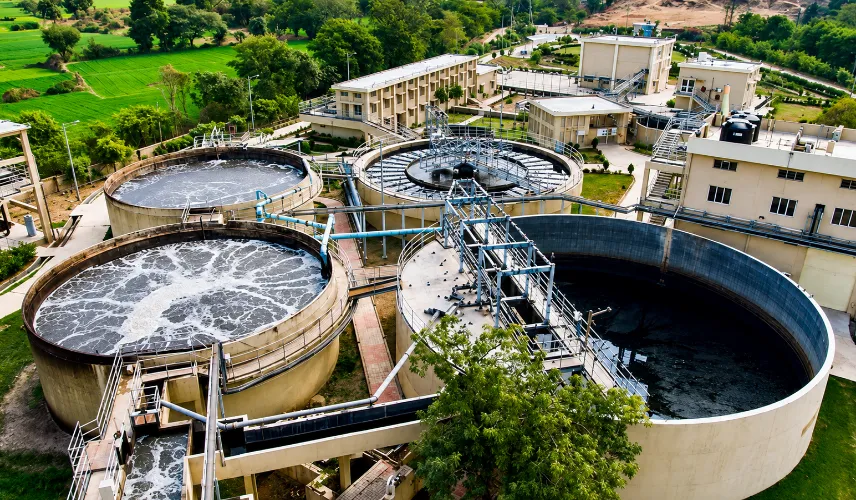
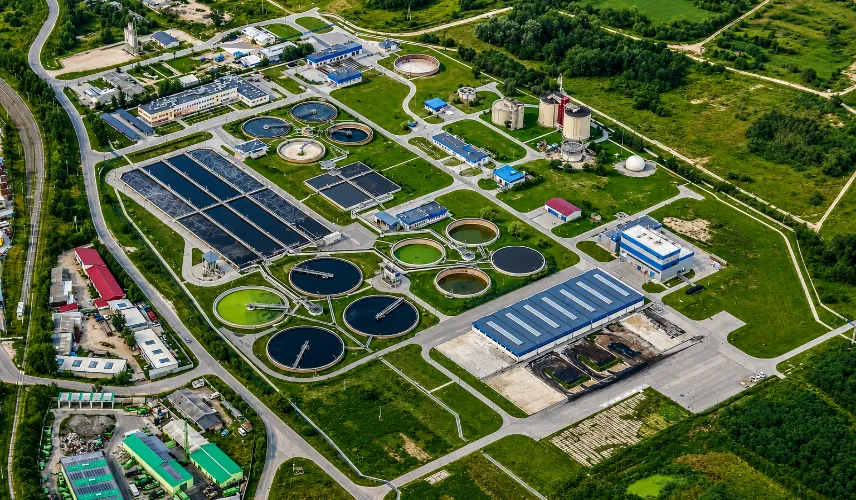
An Effluent Treatment Plant is a treatment system developed to manage wastewater generated from industrial activities. The treatment process is selected based on the characteristics and requirements of the particular wastewater stream.
Why Do Industries Need ETPs?
Industrial wastewater can contain suspended solids, organic matter, chemicals and other contaminants. If inadequately managed, it can affect the surrounding environment and water resources. An ETP provides a structured system for treating this wastewater.
Understanding Wastewater Characteristics
Every industrial wastewater stream can be different. Factors such as pH, flow rate, organic load, suspended solids and other wastewater parameters need to be considered while planning an appropriate treatment system.
Application-Based ETP Design
An effective ETP should be planned around the industry's wastewater characteristics, treatment objectives, capacity and available site conditions. This approach helps create a treatment system that is practical for the specific application.
EcoGenn's ETP Solutions
EcoGenn provides engineered effluent treatment solutions designed around individual project requirements. From treatment planning and technology selection to installation and commissioning, our approach focuses on practical wastewater management.
Conclusion
Industrial wastewater treatment requires careful planning rather than a standard solution for every application. A suitably engineered ETP can help industries manage wastewater responsibly while supporting environmental and water management objectives.